
What Affects the Cost of New Siding?
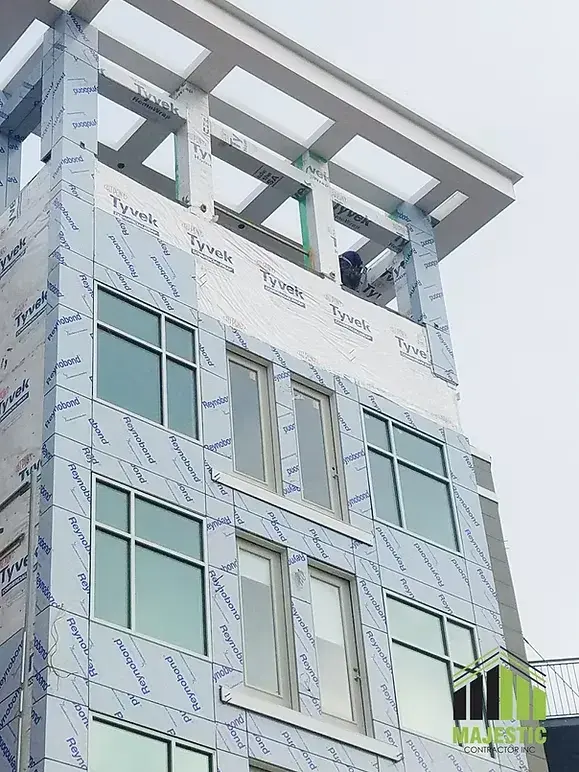
New siding changes how a house looks and protects everything behind the walls. The first question is always the same: what does it cost?
The honest answer is that it depends on your specific house, which is why a single number would be misleading. A small home with simple walls and a large home with corners, gables, and dormers are completely different projects.
Rather than quote a figure that probably will not fit your situation, here is what actually drives the price. Once you understand these, an estimate stops being a mystery number and starts being something you can evaluate.
1. Home size and wall area
The biggest driver is simply how much wall there is to cover. Siding is priced largely by area, so more square footage means more material and more labor.
But shape matters as much as size. A simple, boxy house is quick to side. A house with lots of corners, gables, dormers, and angles takes far more cutting, fitting, and careful detail work, and every one of those junctions takes time.
Height matters too. A tall, multi-story home needs more setup, more staging, and more safety measures.
2. The material you choose
This is the factor you actually control, and the spread is significant.
- Vinyl — the most affordable. Low maintenance, never needs painting, wide range of colors.
- Fiber cement — mid to high. Heavier, tougher, much better with impact, holds paint well.
- ACM panels — premium. Aluminum composite, genuinely flat, sharp, and modern. Our specialty.
The right question is not which is cheapest to install. It is what it costs to own. Vinyl saves money today. Fiber cement and ACM last longer and handle abuse better, and over twenty years on a large house, that difference is not small.
3. What we find underneath
Here is the part that surprises people, and it is the honest one.
When the old siding comes off, we see the sheathing for the first time. If moisture has been getting in behind a failing panel for a few seasons, there is rot, and that has to be fixed before anything new goes on. Putting new siding over compromised sheathing is throwing money away.
Any contractor who quotes you a firm final price without seeing what is behind the wall is guessing. A good estimate accounts for the possibility and tells you honestly how it will be handled if it comes up.
4. Removal and disposal
The old siding has to come off and go somewhere. Tear-off and disposal are real costs, and on some homes there is more than one layer to remove.
5. Trim, details, and openings
Windows, doors, corners, soffit, and fascia are where the labor concentrates and where water gets in if it is done badly. More openings and more architectural detail means more time, and it is time worth paying for. The trim work is the difference between siding that looks installed and siding that looks like it belongs.
How to get an estimate you can trust
Get more than one. Make sure each quote lists the same scope, because a cheap quote is often cheap because it quietly removed something: the tear-off, the sheathing repair, the proper flashing detail.
Ask what happens if rot is found. Ask what warranty covers. Ask whether the price is firm.
Ours is free, in writing, and the number on it is the number you pay.
Get a free estimate, or read more about our siding services in New Jersey.
Frequently Asked Questions
-
Wall area, followed closely by the complexity of the house. Corners, gables, and dormers all add labor, and the material you choose sets the base price.
-
Vinyl is the most affordable to install. Fiber cement and ACM panels cost more but last longer and handle impact far better.
-
Because nobody knows what is behind your walls until the old siding comes off. Anyone quoting a final number sight unseen is guessing.
-
It has to be repaired before new siding goes on. Covering damaged sheathing wastes your money. A good estimate tells you upfront how that would be handled.
-
Yes. Free, in writing, and the number on it is the number you pay.